Blog

By Home Care Assistance Auburn-Opelika, 8:00 am on June 3, 2026

Evaluating an in-home caregiver’s credentials involves verifying the individual’s certifications, checking references, confirming background checks, and assessing his or her experience with your loved one’s specific needs. Hiring the right caregiver requires careful vetting to ensure he or she has the qualifications and character to provide safe, compassionate care. What Certifications Should an In-Home Caregiver Have? Professional certifications demonstrate a…

By Home Care Assistance Auburn-Opelika, 8:00 am on May 20, 2026

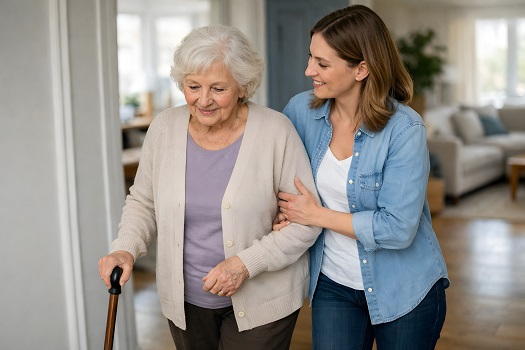
Families experience profound emotional relief after starting in-home care because they finally know their senior loved ones are safe, supported, and receiving professional help. Instead of constantly worrying about daily routines and care needs, family members can step back from stressful duties and return to their primary roles as loving children, spouses, or siblings. How Does Professional Care Reduce Daily…

By Home Care Assistance Auburn-Opelika, 8:00 am on May 6, 2026

Short-term home care transitions into ongoing support when a senior’s recovery plateaus or chronic conditions dictate a permanent need for daily assistance. Recognizing this shift early allows families to adjust their care plans and secure the necessary resources for long-term wellbeing. By understanding the signs of prolonged need, you can ensure your senior loved one remains safe and comfortable in…

By Home Care Assistance Auburn-Opelika, 8:00 am on April 22, 2026

When a senior loved one needs dementia care, the first step is to consult with his or her healthcare provider to understand his or her specific care needs and create a comprehensive care plan. This involves assessing your loved one’s current cognitive and physical abilities, discussing treatment options, and determining what level of support he or she will require moving…

By Home Care Assistance Auburn-Opelika, 8:00 am on April 8, 2026

Medical in-home care involves skilled healthcare professionals providing clinical services like wound care and medication administration, while nonmedical in-home care focuses on assistance with daily activities such as bathing, meal preparation, and companionship. Understanding these differences helps families choose the right support for their senior loved ones based on health needs and lifestyle requirements. What Services Does Medical In-Home Care…

By Home Care Assistance Auburn-Opelika, 8:00 am on March 18, 2026

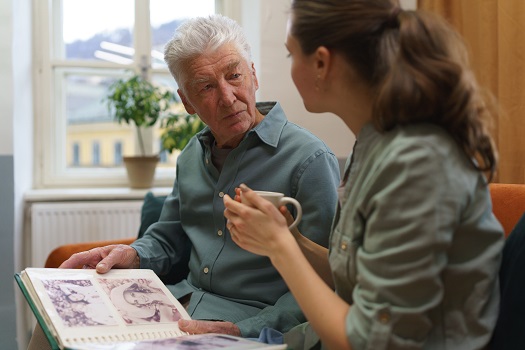
Caregivers typically manage repetitive questions in dementia care by focusing on emotional reassurance, brief and consistent answers, redirection to other activities, and addressing unmet physical or emotional needs. Visual reminders and calm communication can also reduce repeated questioning while maintaining dignity and lowering anxiety for a loved one experiencing memory loss. Repetitive questioning is widely considered one of the most…

By Home Care Assistance Auburn-Opelika, 8:00 am on March 4, 2026

Respite care benefits family caregivers by preventing burnout, restoring personal identity, and enhancing the quality of care they provide. It offers professional support, time for rest and personal needs, and flexible options ranging from short breaks to longer stays. This balance helps caregivers stay healthy and effective while ensuring their loved ones remain safe and well cared for at all…

By Home Care Assistance Auburn-Opelika, 8:00 am on February 18, 2026

There are effective strategies to encourage eating when someone with dementia refuses food. By identifying underlying causes—such as oral pain, medication side effects, or cognitive confusion—and adapting the mealtime environment and food presentation, caregivers can often improve nutrition and maintain dignity for their loved ones. Watching a senior family member lose interest in food can be one of the most…

By Home Care Assistance Auburn-Opelika, 8:00 am on February 4, 2026

Managing a complex schedule of pills can quickly become confusing for aging adults, leading to missed doses or dangerous accidental double-dosing. In-home care providers step in to eliminate this stress by ensuring medications are taken on time and exactly as prescribed. Assisting with Timely Reminders One of the most valuable services an in-home caregiver provides is establishing a reliable routine.…

By Home Care Assistance Auburn-Opelika, 8:00 am on January 21, 2026

Finding meaningful activities for a senior loved one with dementia can feel challenging, but it’s a vital part of providing care and maintaining his or her quality of life. Engaging your loved one in tailored activities can stimulate his or her mind, reduce agitation, and help you create positive moments together. This guide offers simple, effective ideas to help you…