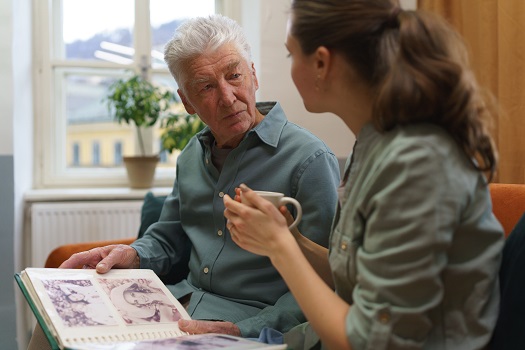
Dementia home care reduces anxiety and confusion by keeping individuals in familiar environments, maintaining consistent routines, and providing personalized one-on-one support—factors that significantly boost emotional wellbeing and overall quality of life for those living with dementia.
Home care allows people with dementia to remain in settings they know and trust, which plays a powerful role in reducing distress. For families navigating this journey, understanding why home care works—and how it helps—can make all the difference.
How Does a Familiar Environment Reduce Anxiety in a Dementia Patient?
Staying at home means staying surrounded by familiar sights, sounds, and routines. For someone with dementia, this familiarity can be deeply grounding.
- Familiar spaces reduce disorientation and fear.
- Personal belongings serve as memory anchors.
- Known surroundings minimize the risk of agitation episodes.
- The home environment lowers the sensory overwhelm often experienced in care facilities.
How Do Consistent Routines Calm Confusion in Dementia Patients?
Predictability is one of the most effective tools for managing dementia-related confusion. Home care makes it far easier to maintain structured daily routines than a shared facility setting.
- Regular mealtimes, sleep schedules, and activity patterns create a sense of order.
- Consistent caregivers reduce the anxiety caused by meeting new faces.
- Familiar daily rituals—like a morning cup of tea—can trigger positive memories and emotional comfort.
Many seniors prefer aging in place over moving to assisted living facilities. If your senior loved one needs assistance to remain safe and comfortable while living at home, reach out to Home Care Assistance, a leading provider of top-rated at-home care Opelika seniors and families can rely on for compassionate, high-quality service. Our dedicated in-home caregivers can assist with meal prep, bathing and grooming, exercise, medication reminders, and many other important tasks.
How Does Personalized One-on-One Care Benefit Someone with Dementia?
Unlike group settings, home care delivers focused, individualized attention that adapts to each person’s unique needs and preferences.
- Caregivers learn specific triggers, preferences, and communication styles.
- One-on-one attention means distress signals are noticed and addressed quickly.
- Personalized activities—music, hobbies, or gentle conversation—support emotional engagement.
- Care plans can be adjusted over time as needs evolve.
How Can Family Involvement Boost Emotional Wellbeing for Dementia Patients?
Home care keeps loved ones close and actively involved, which has a measurable impact on the emotional health of someone living with dementia.
- Familiar faces and voices provide reassurance and a sense of safety.
- Family members can participate in daily care activities and routines.
- Regular interaction with loved ones preserves social connection and reduces isolation.
- Caregivers can work alongside family to ensure care remains consistent and compassionate.
Even when families have the best intentions, caring for a senior loved one with dementia can be challenging. Fortunately, Home Care Assistance is here to help. We’re a leading provider of dementia home care that offers Opelika families much-needed peace of mind. Families can take advantage of our flexible and customizable care plans, and our caregivers always stay up to date on the latest developments in senior care.
What Practical Steps Can Families Take to Support Dementia Home Care?
Setting up the home environment thoughtfully goes a long way in supporting a calmer, safer experience.
- Remove clutter and improve lighting to reduce disorientation.
- Use clear labels on drawers, doors, and common items.
- Establish a quiet, comfortable space for rest and de-escalation.
- Communicate calmly and use simple, short sentences.
- Work with a professional home care provider to develop a structured care plan.
Aging in place can present a few unique challenges for older adults in Lee County. Some only require part-time assistance with exercise or meal preparation, while others are living with serious illnesses and benefit more significantly from receiving Opelika 24-hour home care. Home Care Assistance are leaders in the elderly in-home care industry for good reason. We tailor our care plans based on each senior’s individual needs, our caregivers continue to receive updated training in senior care as new developments arise, and we also offer comprehensive care for seniors with Alzheimer’s, dementia, and Parkinson’s. To learn more about our premier in-home care plans, call us today.
Frequently Asked Questions
What is dementia home care?
+
Dementia home care is a type of support service where trained caregivers assist individuals with dementia in their own homes, helping with daily tasks, safety, and emotional wellbeing.
Why does staying at home reduce anxiety for someone with dementia?
+
Familiar environments provide comfort and reduce disorientation, which are key drivers of anxiety and agitation in people living with dementia.
How often should a home caregiver visit someone with dementia?
+
The frequency of visits depends on the individual’s stage of dementia and level of need—some may benefit from daily visits, while others may require around-the-clock support.
Can dementia home care delay the need for residential care?
+
Yes. Consistent and well-structured home care can help individuals maintain independence and quality of life for longer, often reducing or delaying the need for residential placement.
How do I find a qualified dementia home care provider?
+
Look for providers who specialize in dementia care, hold relevant certifications, and offer personalized care planning. Asking for references and conducting interviews can ensure the right fit.