
Table of Content
Exercise is often associated with physical health, but its effects stretch far beyond just muscles and bones. For dementia patients, regular physical activity can play a critical role in addressing symptoms and enhancing their quality of life. Below, we explore how different forms of exercise impact dementia patients and the science supporting these benefits.
Boosts Cognitive Function
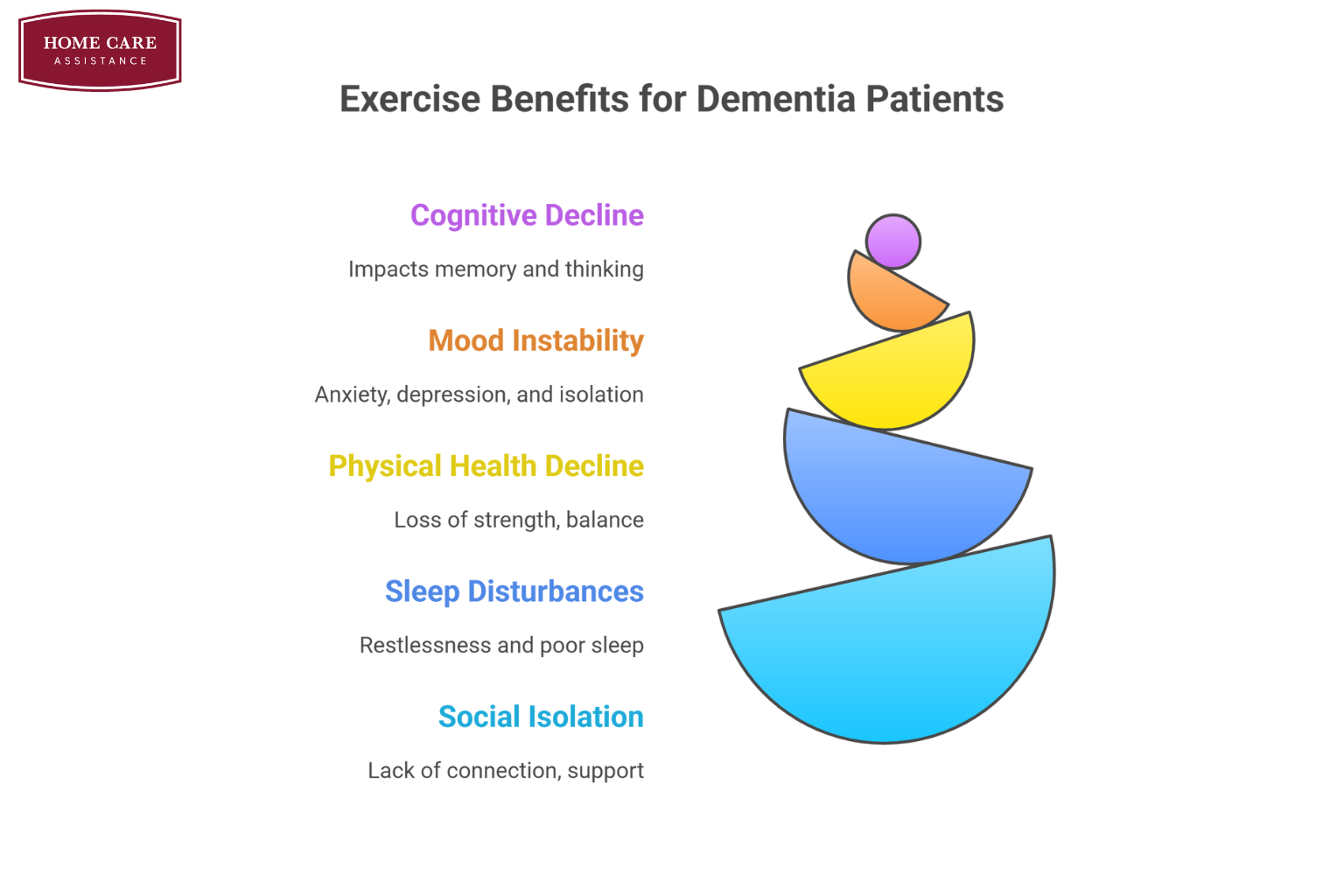
One of the most profound benefits of exercise for dementia patients lies in its ability to support cognitive function. Aerobic exercises like walking, cycling, or swimming have been shown to increase blood flow to the brain, which can enhance memory and thinking skills. Studies indicate that regular physical activity promotes the growth of new nerve cells and connections in the brain, particularly in areas responsible for learning and memory, such as the hippocampus.
Additionally, exercise has been linked to a reduction in brain shrinkage, a symptom commonly observed in dementia. By maintaining the brain’s size and structure, exercise can potentially slow the progression of cognitive decline and enhance the ability to perform daily tasks.
Dementia is one of the many serious health conditions seniors are susceptible to. Not every senior has the same care needs, which means they don’t all need the same type of elderly home care. You can rely on Home Care Assistance to provide an individualized care plan to meet your elderly loved one’s unique care needs. Our holistic Balanced Care Method was designed to help seniors focus on healthy lifestyle habits, such as eating nutritious foods, exercising regularly, and maintaining strong social ties, and our Cognitive Therapeutics Method offers mentally stimulating activities that can boost cognitive health and delay the onset of dementia.
Boosts Mood and Emotional Wellbeing
Living with dementia often comes with emotional challenges such as anxiety, depression, and feelings of isolation. Exercise serves as a natural mood booster for dementia patients. Activity triggers the release of endorphins, chemicals in the brain that reduce stress and create feelings of happiness.
Gentle forms of exercise, like stretching and yoga, can be especially effective in calming the mind and reducing stress. Group exercises, such as dance classes or guided walking tours, also provide a social aspect that can alleviate isolation and provide a sense of belonging and joy.
For dementia care Opelika families can count on, reach out to Home Care Assistance. Our compassionate caregivers use revolutionary memory care programs to help seniors delay the progression of dementia, and they can also assist with a wide variety of important everyday tasks, including bathing, grooming, exercise, and cooking.
Enhances Physical Health
While the mental and emotional benefits of exercise for dementia patients are significant, the physical advantages are equally valuable. Regular activity maintains strength, flexibility, and balance, reducing the risk of falls and injuries, which are common concerns for dementia patients.
Cardiovascular and strength-based exercises boost heart health, which directly impacts the brain by ensuring it receives adequate oxygen and nutrients. Furthermore, better physical fitness can lead to higher energy levels, enabling dementia patients to engage more actively in daily life and caregiving routines.
Promotes Better Sleep
Sleep disturbances are a common symptom for those living with dementia, often causing further behavioral issues and cognitive difficulties. Exercise can regulate sleep patterns by reducing restlessness during the night and encouraging deeper, more restful sleep.
Experts recommend low-impact activities like tai chi, swimming, or light stretching exercises to help dementia patients unwind and relax before bedtime. Enhanced sleep can, in turn, significantly boost overall wellbeing and the ability to manage symptoms during the day.
Encourages Social Interaction
Isolation and loneliness often exacerbate the symptoms of dementia. Exercise-based group activities provide an opportunity to connect with others and foster relationships. Engaging in group walks, community yoga classes, or even gardening projects allows dementia patients to feel connected, supported, and part of a community.
These social connections aren’t just uplifting but can also contribute to mental stimulation, slowing the decline in cognitive abilities. Whether it’s bonding over shared goals or simply spending time with others, the social aspect of exercise is an integral part of its benefits.
If your loved one is living with dementia, having a trained professional caregiver close by can provide you and your family with much-needed peace of mind. Caring for senior loved ones can be challenging for families who don’t have expertise or professional training in home care, but this challenge doesn’t have to be faced alone. Family caregivers can turn to Opelika Home Care Assistance for the help they need. We provide high-quality live-in and respite care as well as comprehensive Alzheimer’s, dementia, stroke, and Parkinson’s care. Reach out to one of our Care Managers today at (334) 744-7100 to learn more about our high-quality home care services.